You know when you follow somebody online and you can’t quite name why their stuff always lands? Everything they post feels like them, their captions sound like them, the colors they use look like them, and if they went silent for a month and came back with no logo and no face, you’d still know it was them from the second sentence.
That is a brand archetype doing its job.
Some of the biggest-following personal brands you can think of are running one on purpose, with a strategist in the background mapping it out quarter by quarter. Just as many of them stumbled into it, built the whole thing without ever naming it, and now their brand works beautifully and they couldn’t tell you why if you handed them a chart. Either way, the mechanism underneath is the same, and the twelve-archetype framework is how you get at it.
This post walks through all twelve the way they actually show up in a personal brand — not the Nike-and-Rolex version you’ve probably already read — with real humans you can go look at, plus the primary-and-secondary nuance that nobody else teaches but that explains almost everything about why some brands feel textured and others feel like a mood board.
What a brand archetype actually is
An archetype is a classic human trait that’s basically been stereotyped — a recurring thread that makes people act certain ways, and that we all recognize on sight. You already know these. “She’s the mom friend.” “He’s the chaos friend.” “That guy’s always the sage one in the group.” The pattern is already in you, which is also why you can feel one on a brand within about six seconds.
Carl Jung mapped the deep patterns in human psychology around 1919, Carol Pearson sorted them into twelve archetypes in 1991 in Awakening the Heroes Within, and Margaret Mark and Pearson brought the twelve into brand strategy in 2001 in The Hero and the Outlaw. The reason brands run on these is that humans connect with humans better than they connect with logos, and when a brand consistently embodies one of these human patterns, strangers recognize it in their bones and start to feel like they already know the person behind it. That recognition is what builds following, trust, and eventually sales.
Personal brands get an unfair advantage with this framework, because the archetype doesn’t have to be invented, it just has to be noticed — you already lean one way, you just might not have named it yet.
Why most personal brands run on a primary AND a secondary
A single archetype gets you a brand that reads clearly, but it also reads a little flat. The reason the strongest personal brands have texture is that they run on a primary archetype with a secondary one layered in — the primary is how they lead, the secondary is where the nuance lives.
Think of a Creator brand with a Jester streak versus a Creator brand with a Sage streak — they’re both Creators at the core, but one feels playful and self-mocking while the other feels serious and teacher-y. Same primary, different secondary, completely different vibe. The texture is the secondary.
Now the part worth sitting with: some of the biggest personal brands you follow built this on purpose, and just as many never named it and still ended up with a strong primary-plus-secondary combo. The pattern tends to form naturally because people lead from their dominant trait and reach for their next-strongest one for support. Naming yours doesn’t instantly make your brand stronger, but it makes every creative decision faster — because once you know you’re a Magician with a Sage streak, you stop second-guessing whether this reel is “on brand” and start asking the better question: does this show up like me?
The twelve archetypes below each get a primary read plus a note on where a strong secondary typically kicks in. The example is a real personal brand you can go observe.
The four layers your archetype shows up in
Before the twelve, one more layer. An archetype doesn’t live in your logo. It lives in four places at once, and when all four line up, the brand feels like a person — which is the whole point.
Content — the topics you lean into, the angle you take on each one, and whether you teach the thing, reveal the thing, confess the thing, or celebrate the thing. A Sage leans into teaching. A Jester leans into reveal and roast. A Caregiver leans into protect and permission. The topic can look the same across archetypes; the handling is what differs.
Voice — the cadence of your sentences, your vocabulary, your attitude on the page, and your relationship to the reader. A Ruler voice sounds assured and declarative. A Lover voice sounds slower and more sensory. A Hero voice sounds direct and action-oriented. Same information can be delivered in all three voices, but one of them will sound like you.
Perspective — the lens you see your industry through, and what you think most people in it are getting wrong. This is where opinion lives. A Magician’s perspective is “most people are solving the wrong problem.” An Outlaw’s perspective is “the rules are the problem.” A Caregiver’s perspective is “the people doing this work deserve more protection than they’re getting.” It’s often what makes someone go from recognized to followed.
Visuals — the colors, typography, photography style, pace of your video, and the amount of white space you leave on a page. Visuals are the fastest archetype signal — a Lover’s warm palette plus candlelight photography reads instantly, a Creator’s bold-color-blocking plus hand-drawn type reads instantly, a Ruler’s dark-navy-plus-serif reads instantly. If your visuals don’t match your other three layers, your brand feels off even when you can’t name why.
The 12 brand archetypes for personal brands
1. Innocent
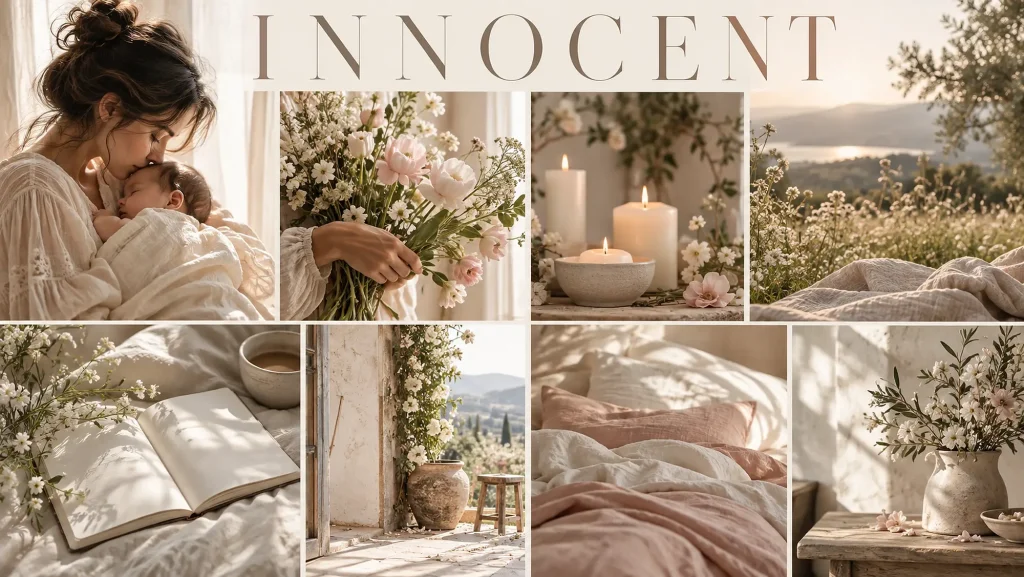

Promise: You’re safe here, and the simple good things are still possible.
Core desire: To feel pure, honest, and hopeful about what’s ahead.
An Innocent personal brand leans into content that reassures and recentres — gentle teaching, origin stories, soft optimism. The voice is open and uncynical. The perspective sees the world as inherently workable with care. The visuals lean warm and uncluttered — soft neutrals, natural light, lots of breathing room.
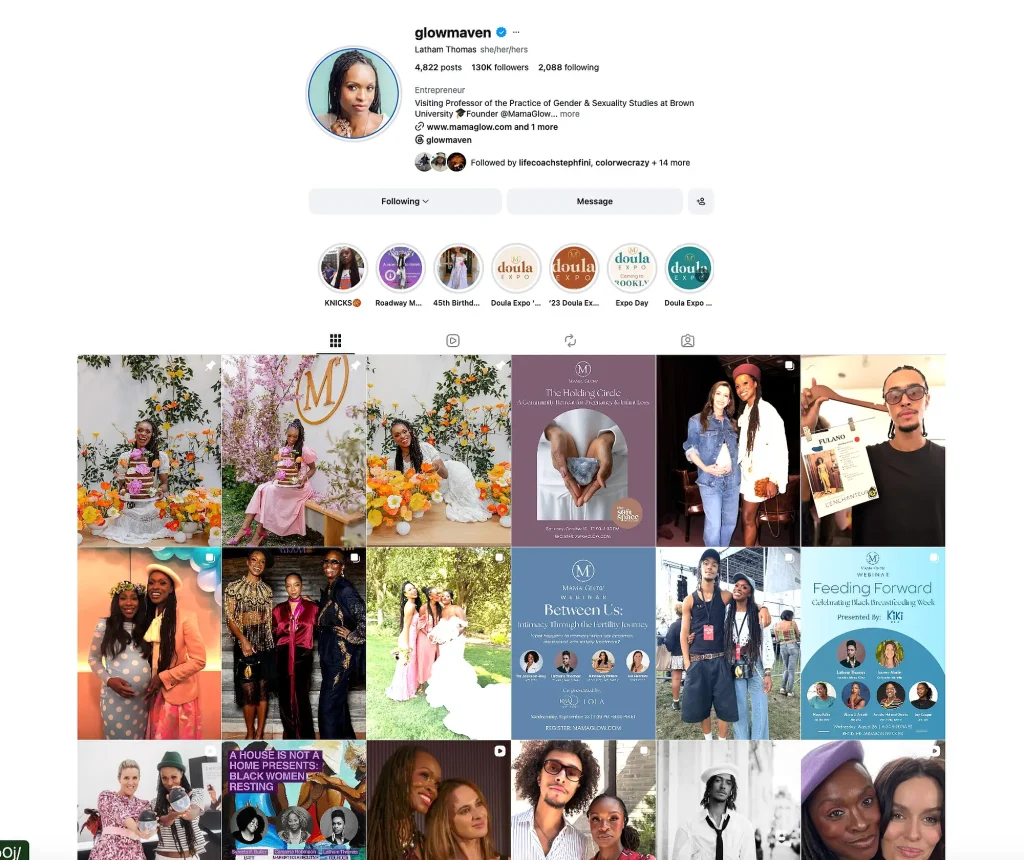
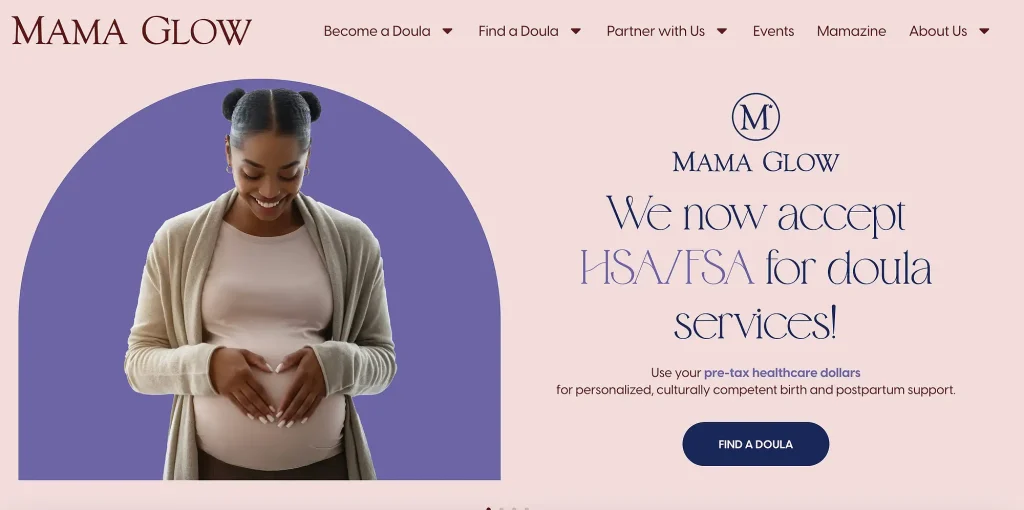
Example: Latham Thomas (Mama Glow) · Instagram. Birth doula and wellness teacher whose whole brand reads as sacred-but-grounded hope — mother, protect, remember what matters.
Secondary: Caregiver. The hands-on protective dimension keeps the Innocent from feeling naive. The nuance is that the hope is backed by somebody who will actually show up and tend to you, which is why her brand reads as safe without reading as sanitized.
2. Everyman
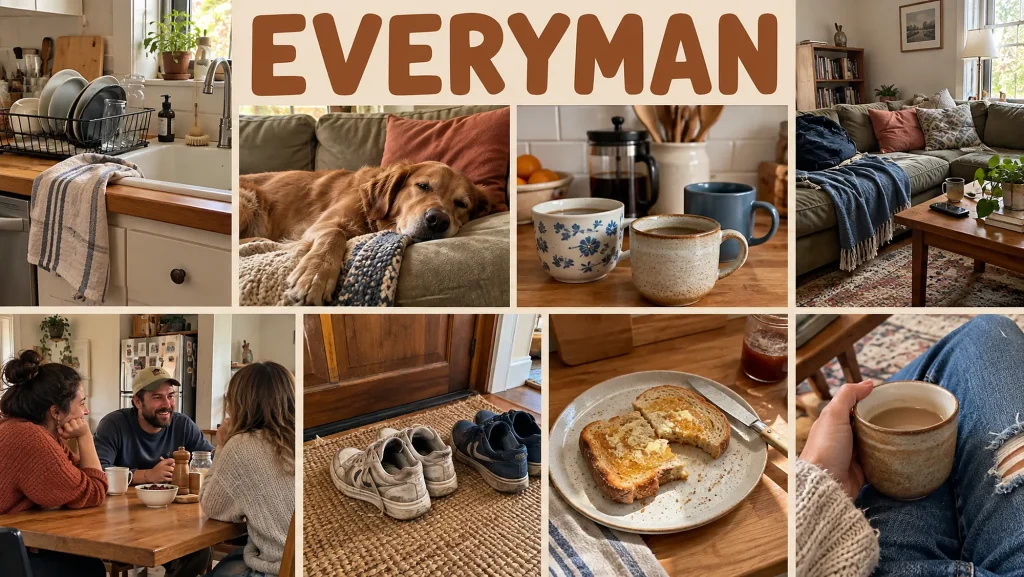

Promise: You belong here, you’re one of us, and nothing about this is too fancy for you.
Core desire: To be the friend who happens to know a gal.
An Everyman personal brand leans into content that lowers the stakes — “I’m figuring this out too,” ordinary scenes, zero gatekeeping. The voice is conversational and self-aware. The perspective sees the industry as needlessly complicated. The visuals feel like a Tuesday — natural lighting, lived-in rooms, iPhone-friendly, no production.
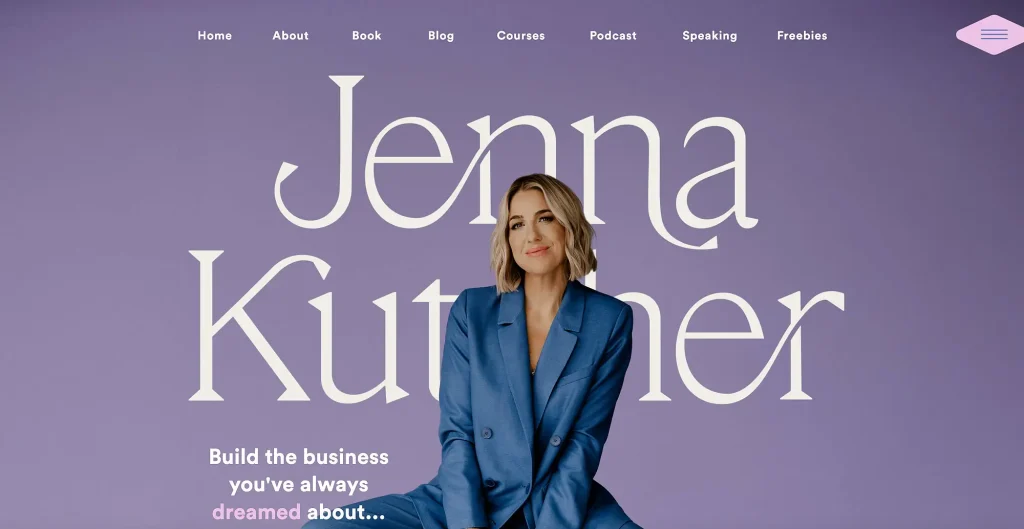
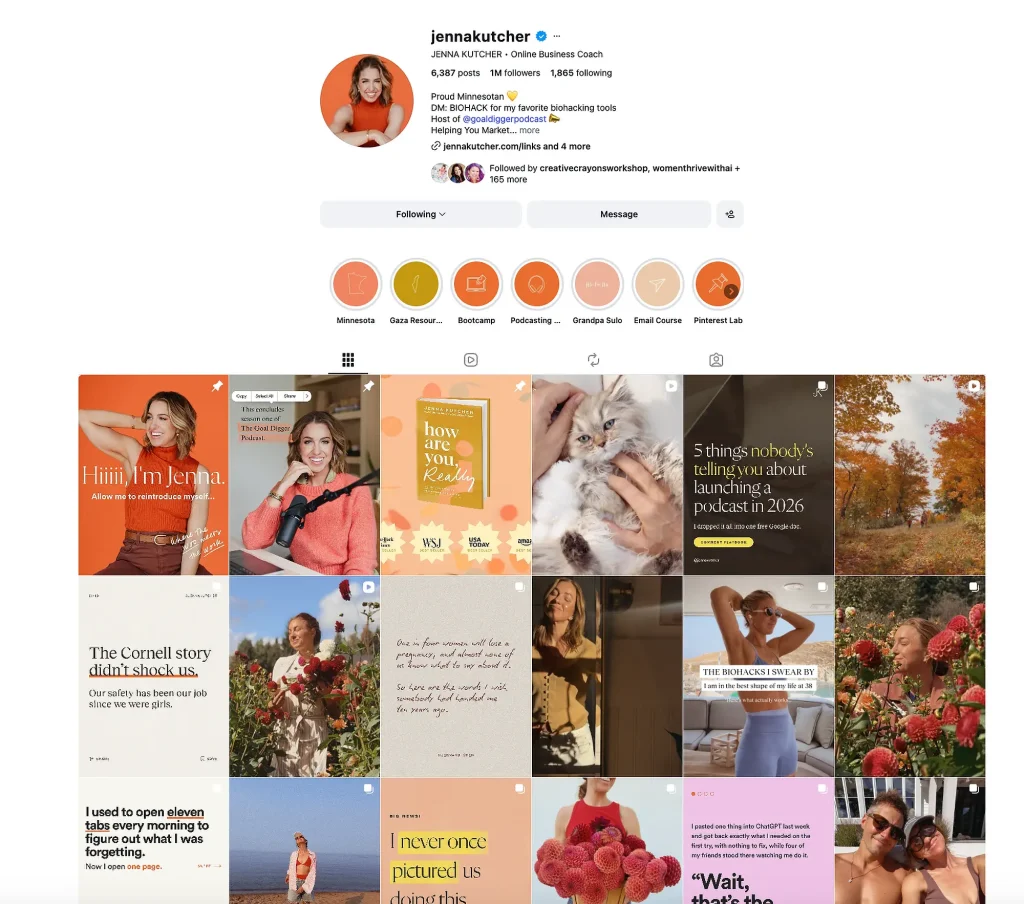
Example: Jenna Kutcher · Instagram. Approachable, warm, mom-coded, “we’re all figuring it out together” — the exact “friend who knows a gal” energy at scale.
Secondary: Caregiver. The nurturing undertone turns the “friend who knows a gal” into “friend who’s rooting for you.” The nuance is that her brand doesn’t just say you’re welcome here, it says and I want you to win — which is why her audience retention is as high as it is.
3. Hero


Promise: You can do this, and I’ll show you how to push through.
Core desire: To prove it, through discipline and action.
A Hero personal brand leans into content that demands something of the reader — challenges, protocols, results, before-and-afters. The voice is direct, imperative, often short. The perspective sees comfort as the enemy and effort as the answer. The visuals read strong and clean — high contrast, athletic photography, minimal softness.
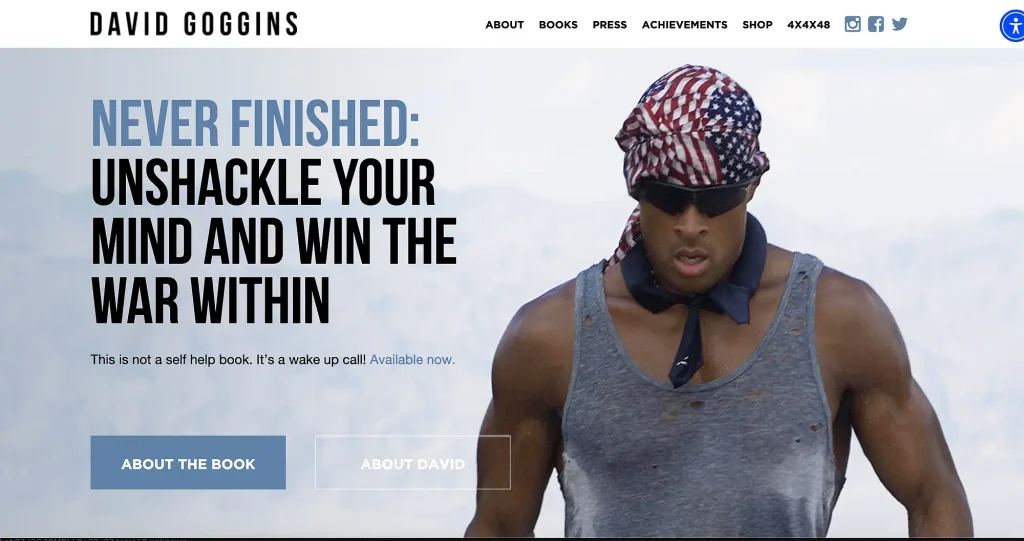
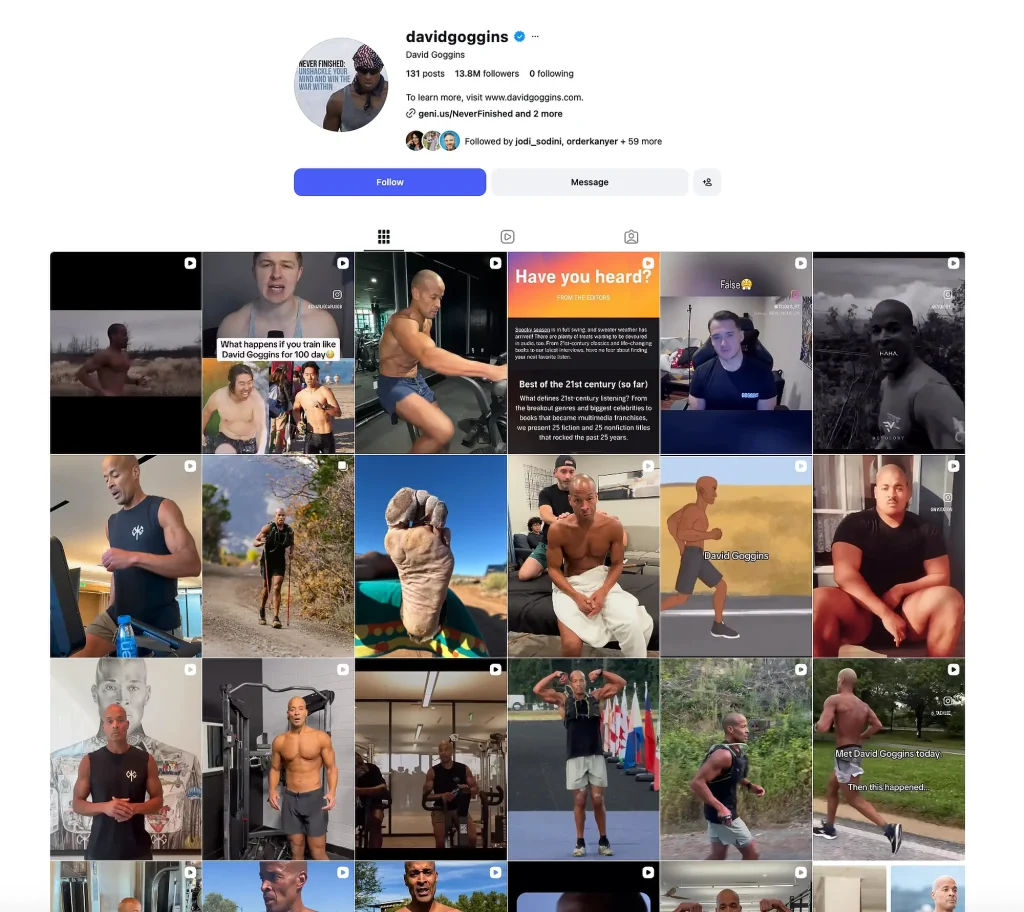
Example: David Goggins · Instagram. Pure push-your-limits, “stay hard,” no-comfort-allowed personal brand.
Secondary: Outlaw. The anti-establishment, anti-comfort edge keeps him from being generic motivational Hero and makes him oppositional. The nuance is that his Hero energy isn’t achieve for the sake of achieving — it’s achieve as rebellion against your own soft self and the system that told you comfort was the goal.
4. Caregiver


Promise: You’re held, you’re seen, and someone is paying attention to what you need.
Core desire: To protect, nurture, and tend.
A Caregiver personal brand leans into content that gives permission and names invisible labor — gentle rituals, holding-space language, the kind of post that makes you exhale. The voice is warm and unhurried. The perspective sees the people doing hard work (mothers, caregivers, quiet high-performers) as deserving of more protection than culture gives them. The visuals lean soft and intimate — hand-written type, muted palettes, candid photography.
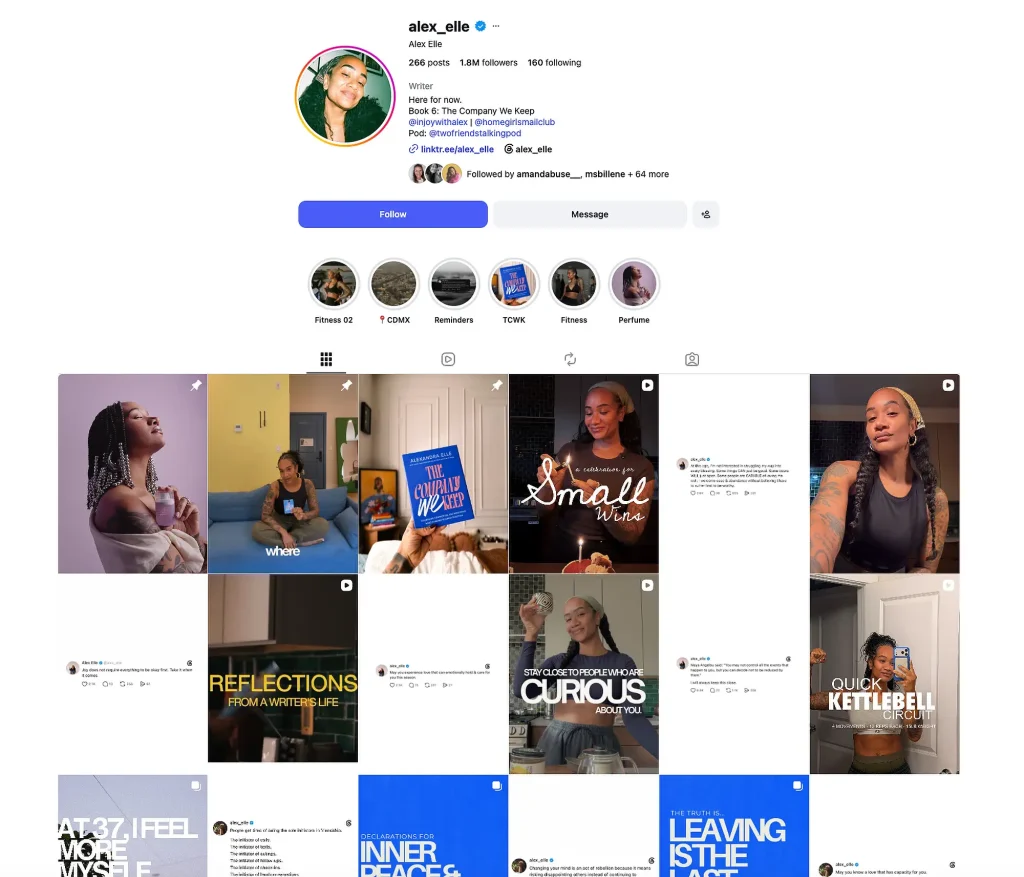
Example: Alex Elle · Instagram. Writer and healing teacher whose brand reads as a space you can rest in — self-care practices, affirmations, writing as therapy.
Secondary: Lover. The poetic, sensory richness is what turns her Caregiver brand from workbook-y into prayerful. The nuance is that her teaching lands less as “here’s a technique” and more as “come sit with me in this,” which is why her books sell differently than most self-help.
5. Explorer


Promise: You get to be fully yourself, and you don’t have to live inside the box.
Core desire: To seek, wander, and never get boxed in.
An Explorer personal brand leans into content that moves — journeys, experiments, the thing nobody has tried yet. The voice is curious and slightly restless. The perspective sees staying in one shape as a kind of slow death. The visuals feel wide-open — big landscapes, movement, a lot of horizon.
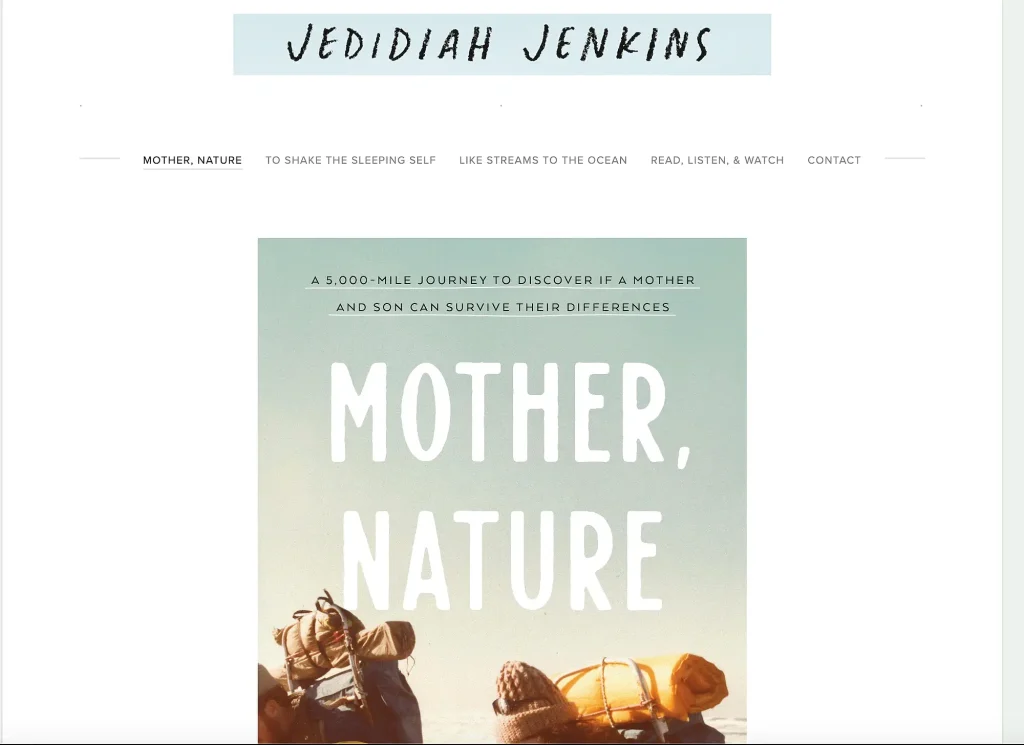
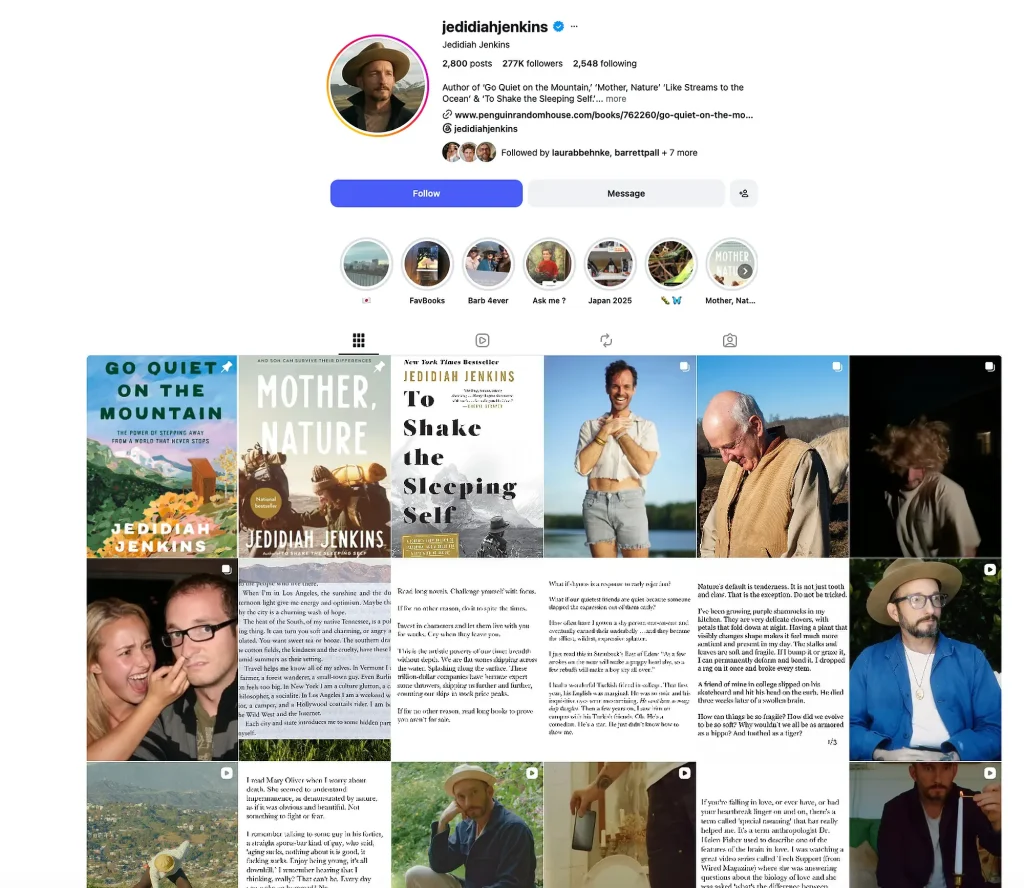
Example: Jedidiah Jenkins · Instagram. Memoirist whose brand is built on actual journeys (biking Oregon-to-Patagonia, long travel essays) paired with deep interior reflection.
Secondary: Lover. The prose-driven, sensory intimacy keeps him from being a bro-adventure writer and makes him a soul-journey writer. The nuance is that his Explorer brand isn’t about conquering distance, it’s about letting the distance change you — which is why his readers describe his writing as moving them more than most literary fiction does.
6. Outlaw


Promise: The rules aren’t working, and I’ll say what nobody else will.
Core desire: To break the convention that’s holding people stuck.
An Outlaw personal brand leans into content that names what the industry is doing wrong, directly and often with a middle finger — hot takes, counter-position essays, “if nobody’s going to say it, I will” captions. The voice is bold and willing to be unliked. The perspective sees politeness as a trap and convention as the problem. The visuals lean bold and high-contrast — strong color, uncompromising typography, zero softness.
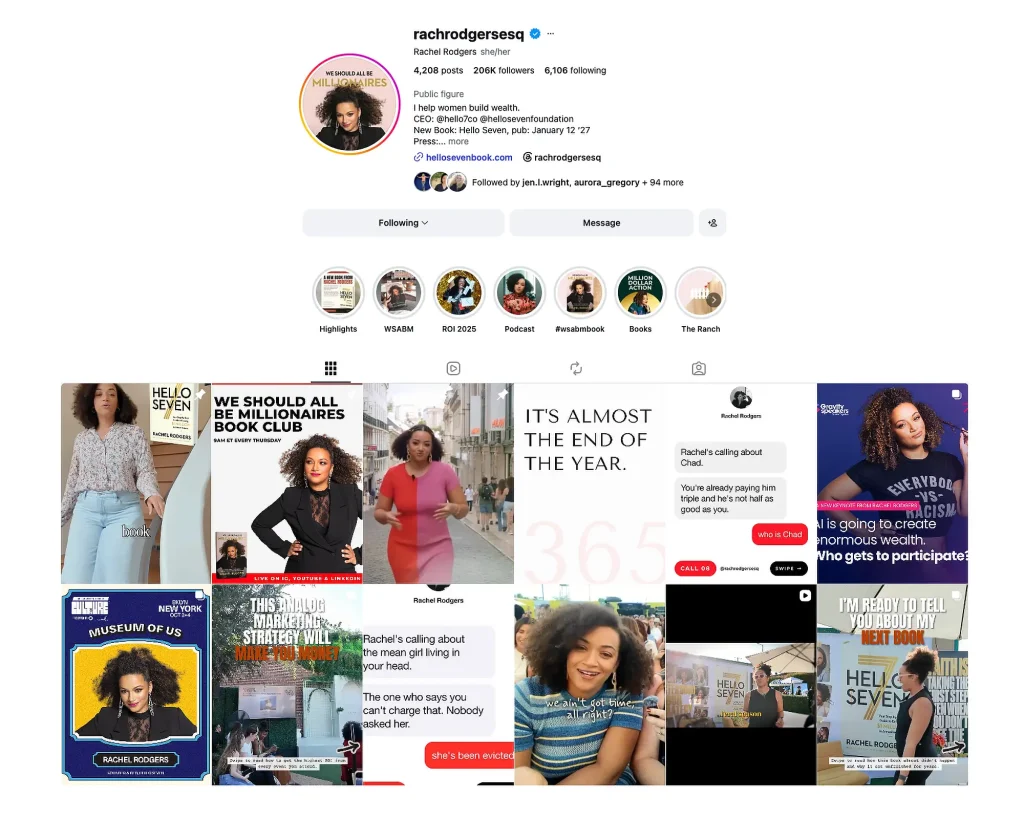
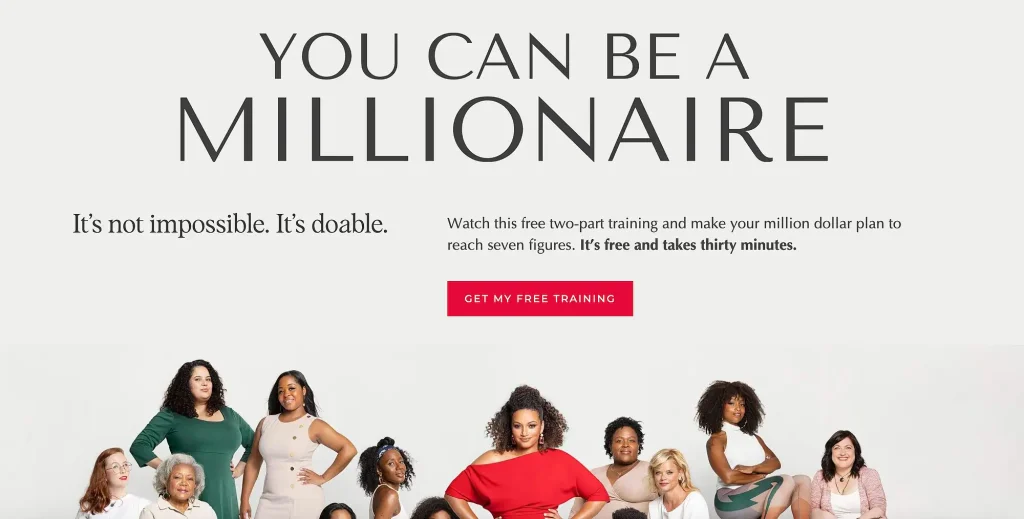
Example: Rachel Rodgers · Instagram. Attorney-turned-business-coach whose entire brand is built around rebelling against the “women should be humble about money” convention — “We Should All Be Millionaires,” direct, uncompromising.
Secondary: Hero. The push-through-and-achieve action layer keeps the rebellion from being just vibes. The nuance is that she doesn’t just say the rules are wrong — she says and here’s how you take the money anyway, which is why her coaching converts and not just applauds.
7. Lover


Promise: You deserve beauty, intimacy, and the thing you actually want.
Core desire: To bring people closer — to themselves, to their desires, to each other.
A Lover personal brand leans into content that honors feeling — sensory writing, candle-adjacent aesthetics, desire-based goals, “what do you actually want” prompts. The voice is slower, warmer, more lyrical. The perspective sees the modern productivity-at-all-costs culture as having disconnected people from what actually matters to them. The visuals are rich and textured — warm palettes, dim lighting, soft curves.
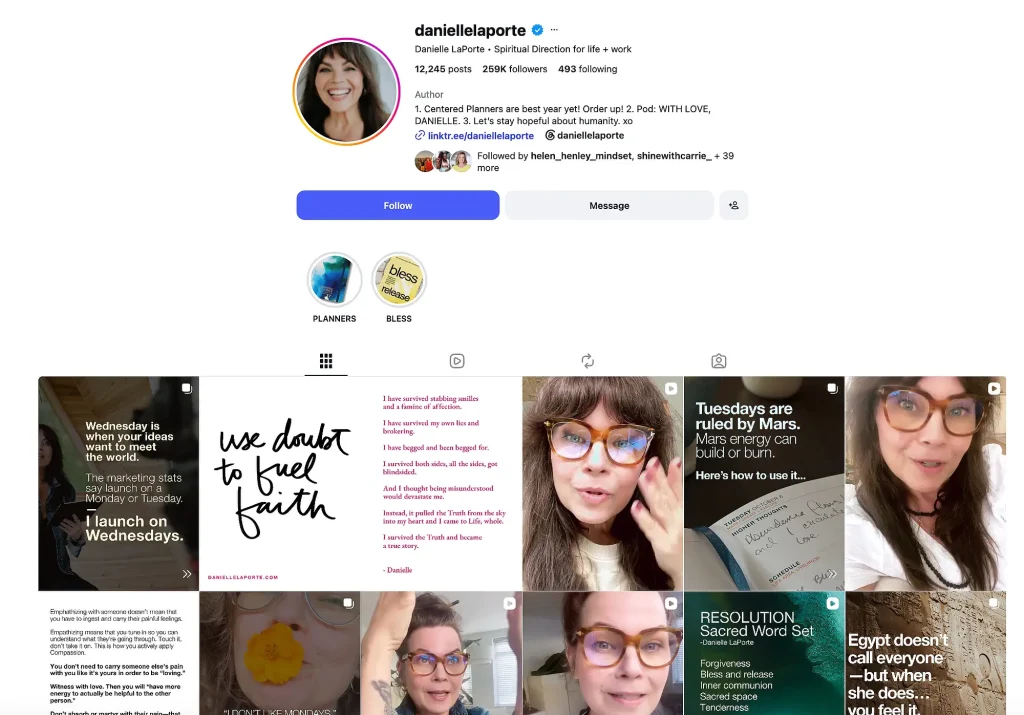
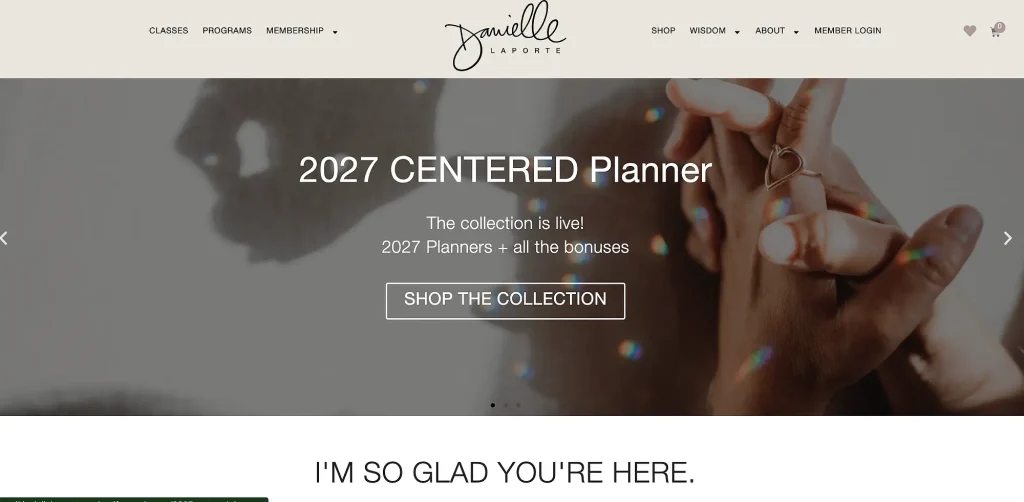
Example: Danielle LaPorte · Instagram. Author of The Desire Map and The Fire Starter Sessions — her entire body of work reorganizes goal-setting around how you want to feel, not what you want to achieve.
Secondary: Magician. The transformation layer is what keeps her Lover brand from staying in the feelings and makes it actually change how people live. The nuance is that her method doesn’t just invite you to notice what you want, it rewires how you plan a year — which is why her work sits more in the strategy aisle than the self-help one.
8. Creator
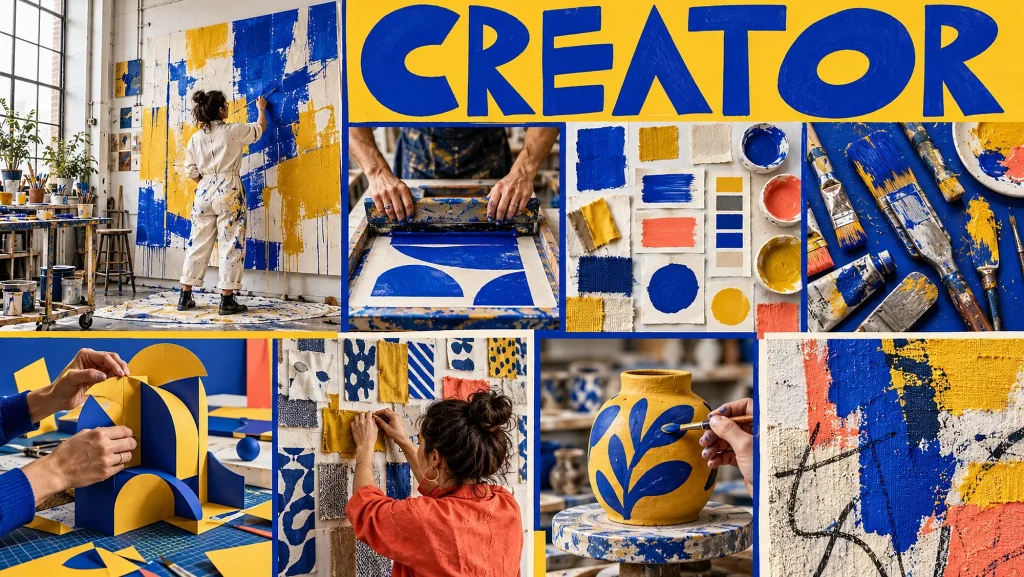

Promise: You can make the thing, and here’s how I made mine.
Core desire: To build, make, imagine, and bring new things into the world.
A Creator personal brand leans into content that shows the work — behind the scenes, process videos, “here’s what I tried,” making-of threads. The voice is maker-ish and specific. The perspective sees creativity as a practice everyone has access to if they treat it like a craft. The visuals are deliberate and often bold — strong color, intentional composition, distinctive type.
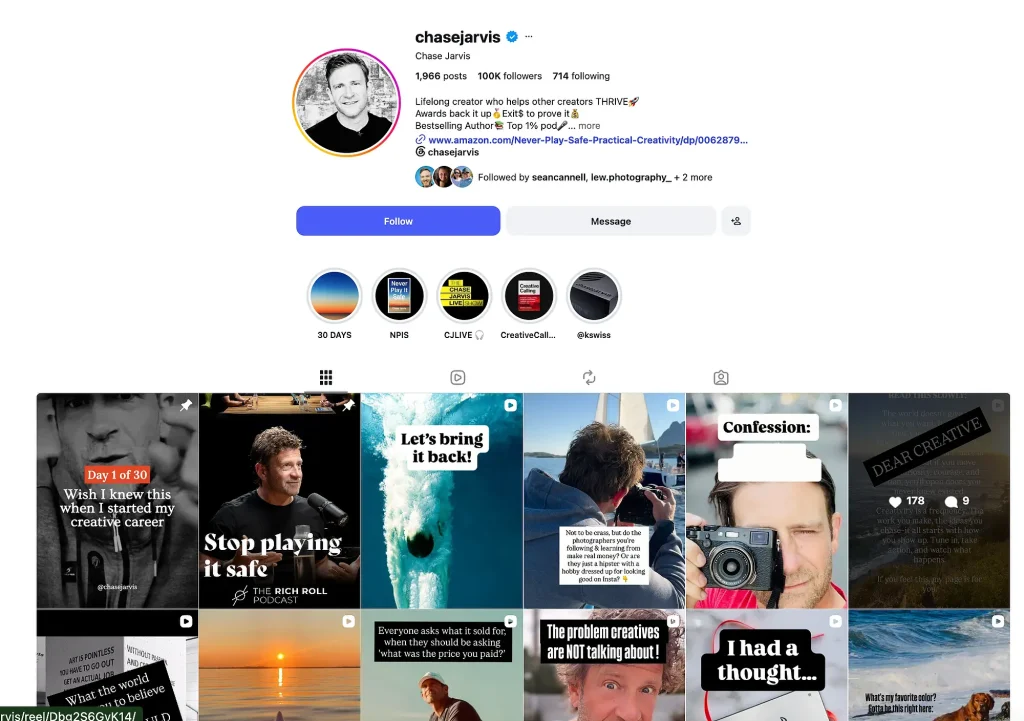
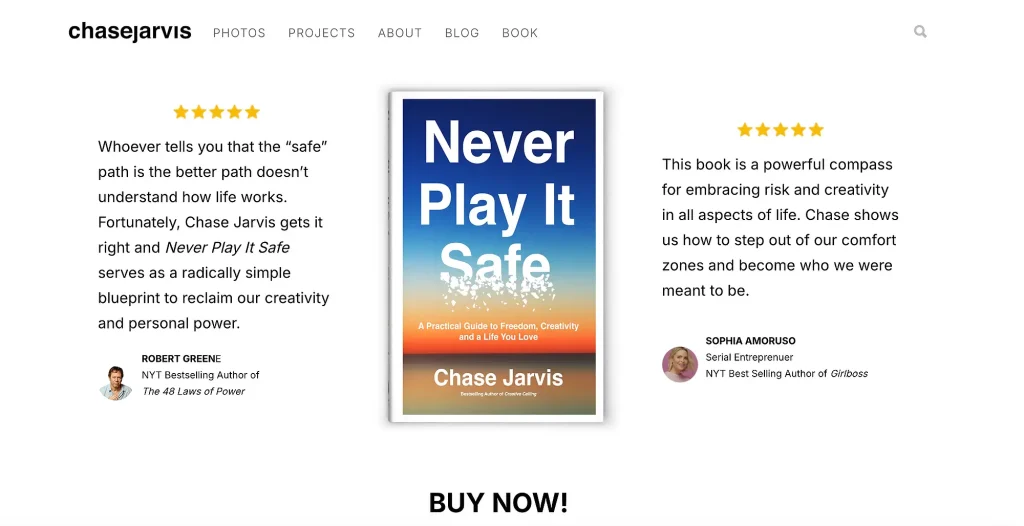
Example: Chase Jarvis · Instagram. Photographer who built CreativeLive, authored Creative Calling, and whose brand is the “pro creator who shows you how” lane.
Secondary: Sage. The teaching layer takes him beyond just-another-artist and makes him the teacher-of-creators. The nuance is that his Creator brand delivers on making AND on teaching the making, which is why he can run both a creative practice and an education business without them canceling each other out.
9. Jester


Promise: This can be fun, and we don’t have to take ourselves this seriously.
Core desire: To play, break tension, and lighten the room.
A Jester personal brand leans into content that laughs — observational humor, side-eye-at-the-industry posts, the kind of caption that makes you snort. The voice is quick, timed, and often self-aware. The perspective sees pretension and false seriousness as its favorite targets. The visuals can go either direction — bright and playful, or deliberately mundane for the deadpan effect.
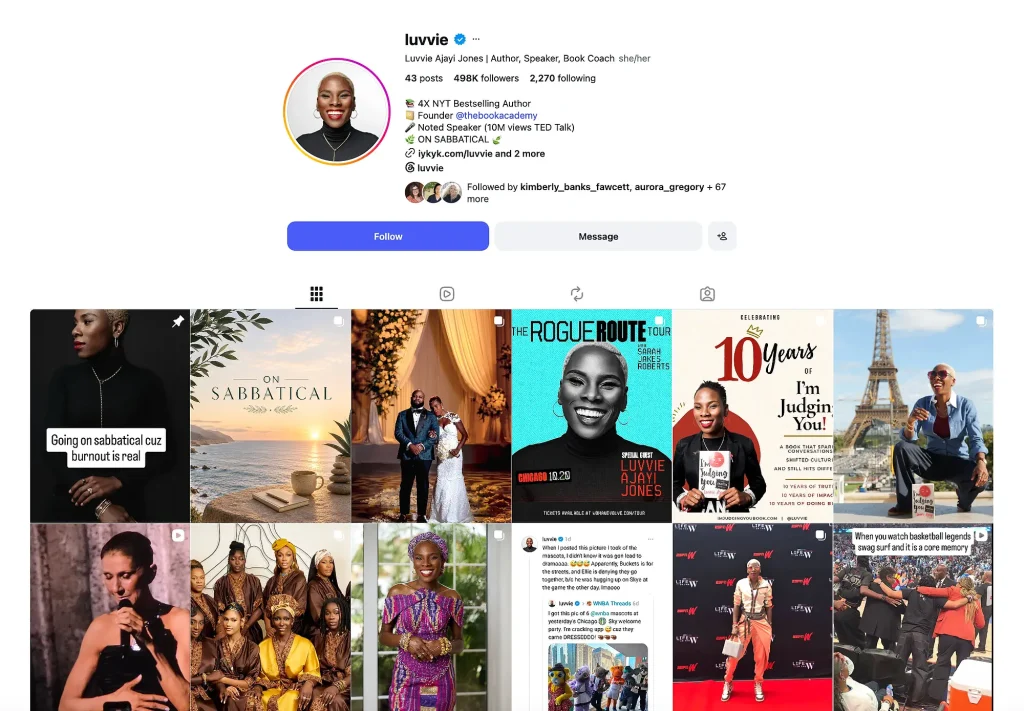
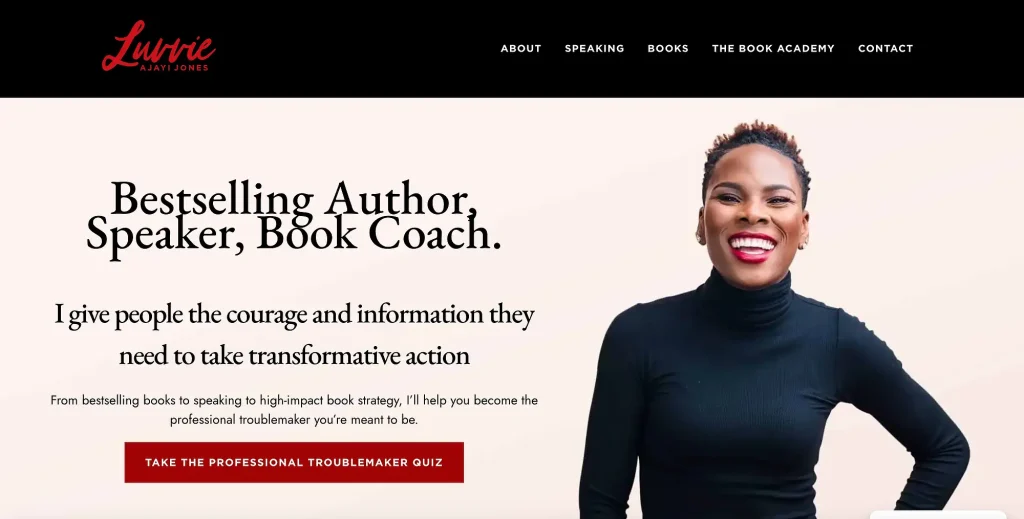
Example: Luvvie Ajayi Jones · Instagram. New York Times bestselling author of I’m Judging You and Professional Troublemaker, whose humor is central to the brand and goes well beyond content gag-reels.
Secondary: Outlaw. The weaponized-humor-against-injustice layer keeps the Jester brand from reading as “just funny” and gives it stakes. The nuance is that the laughs always land at the expense of a system or a pretension, which is why her humor doesn’t age out and reads more as cultural critique than content.
10. Sage

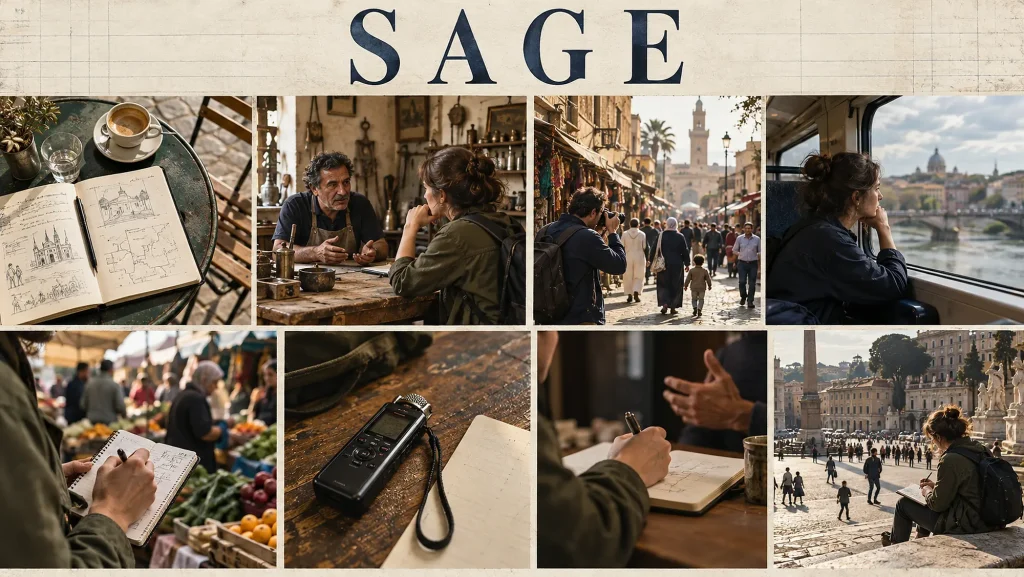
Promise: I’ll tell you the truth about what’s actually going on, and give you the frame to act on it.
Core desire: To teach, to clarify, to help people see.
A Sage personal brand leans into content that explains — research-backed teaching, frameworks, the kind of post that gets saved and sent. The voice is clear, considered, and often patient. The perspective sees most industries as poorly understood by the people inside them. The visuals lean clean and organized — plenty of white space, serif typography, readable layouts.
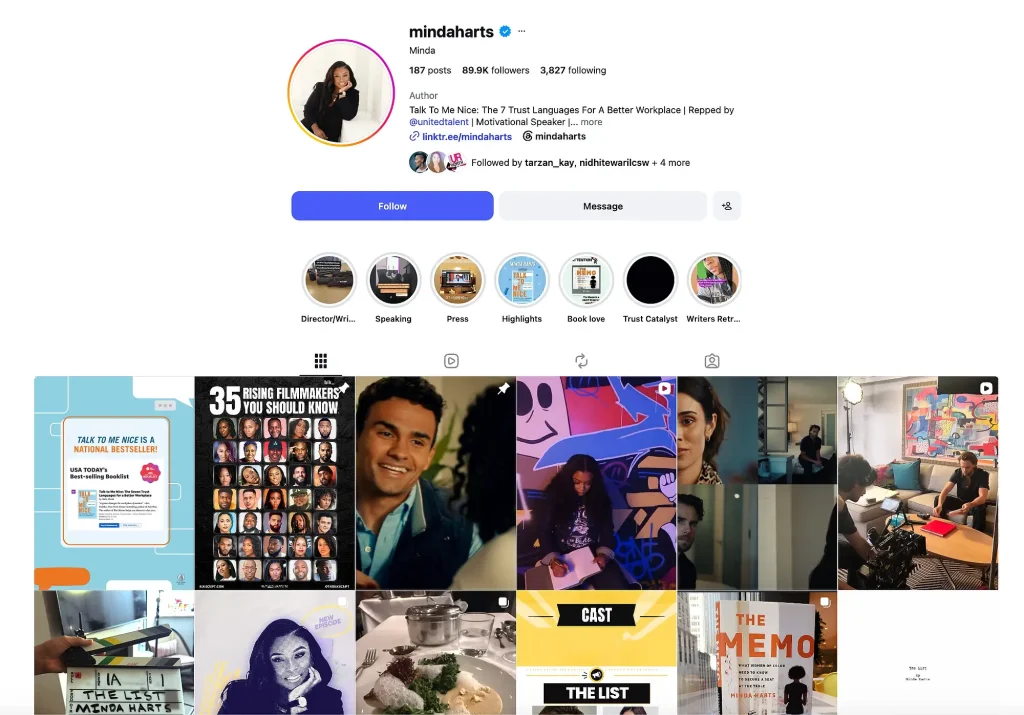
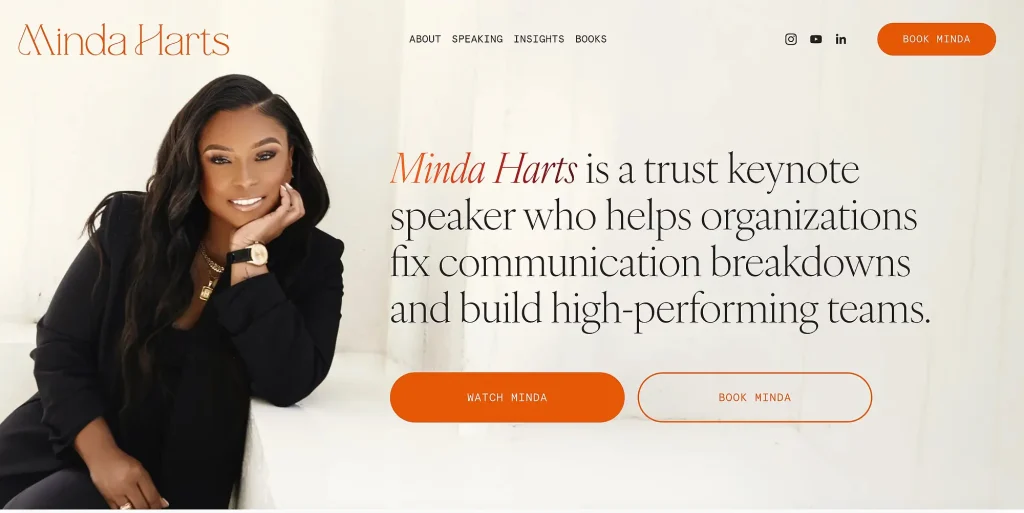
Example: Minda Harts · Instagram. Author of The Memo and career advisor who built her brand on telling the truth about workplace realities for women of color.
Secondary: Hero. The claim-your-seat, action-forward layer keeps the Sage from staying academic. The nuance is that her teaching comes with a mandate — now that you know this, do something — which is why her readers often cite her as the person who gave them permission to go after the promotion.
11. Magician
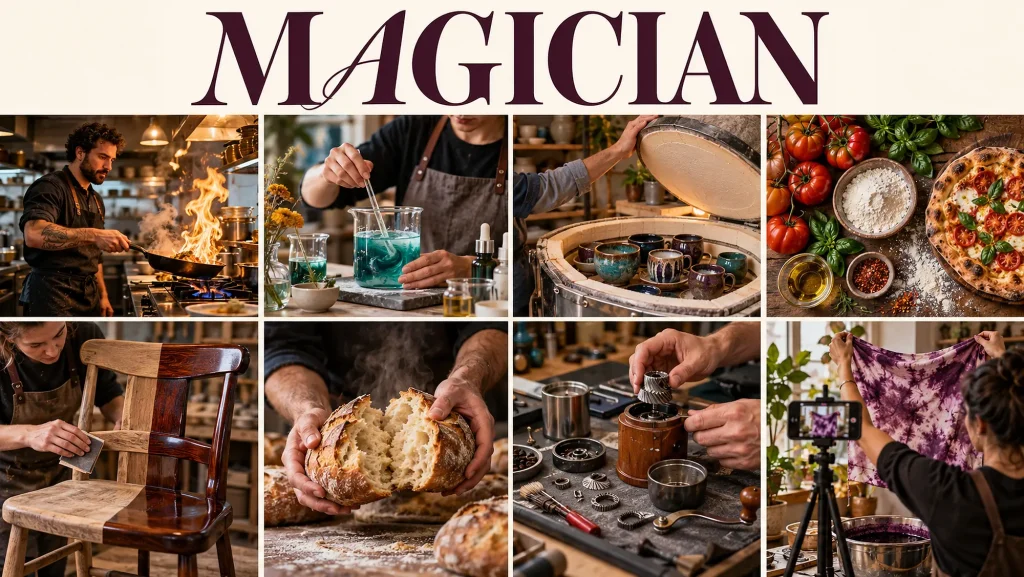

Promise: I see what you can’t see from inside it, and I can show it to you.
Core desire: To transform, reveal, and make the invisible visible.
A Magician personal brand leans into content that reframes — “it’s not what you think it is, it’s actually this,” pattern-recognition posts, counterintuitive takes that make readers go “wait, actually yes.” The voice is observational and often slightly surprising. The perspective sees most problems as mislabeled, which is why solving them from the wrong label never works. The visuals tend to be clean with pops of saturated color — enough restraint that the ideas are what you remember.
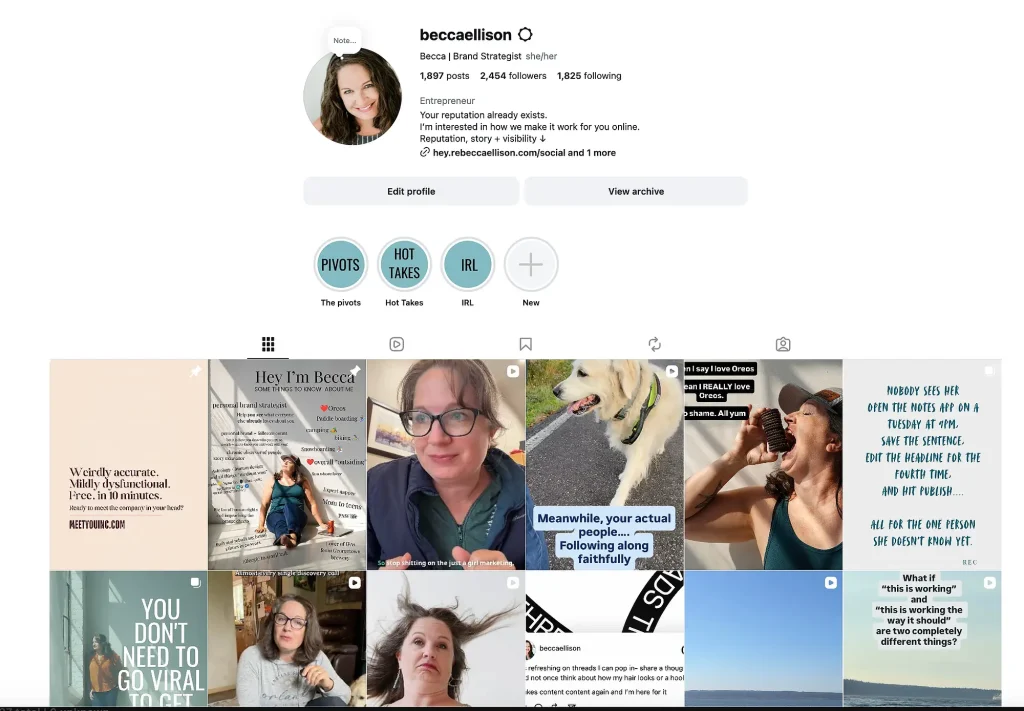
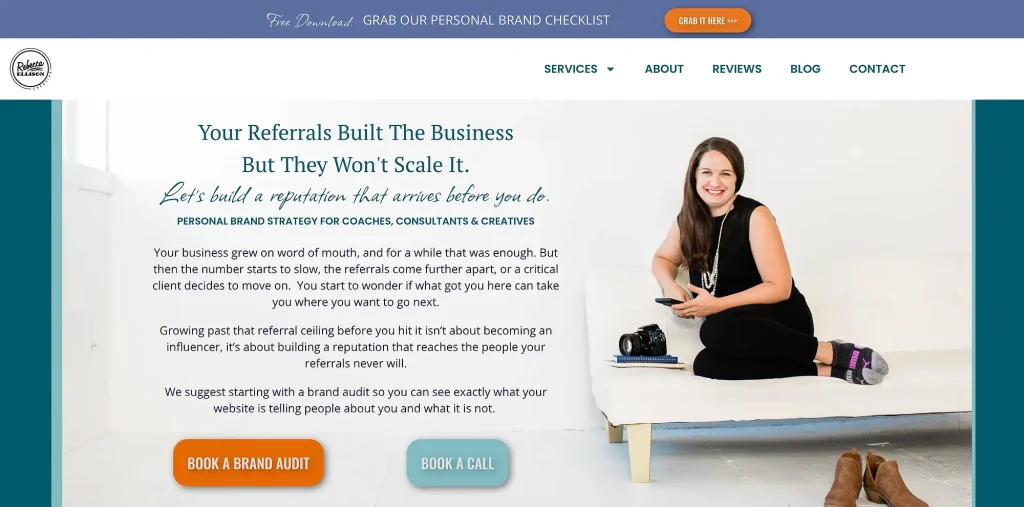
Example: Me — Rebecca Ellison Creative · Instagram. My whole offer is seeing what my clients can’t see from inside their own brands and translating it into language they can actually use. The whole promise of the Compass is “a reputation that arrives before you,” which is a Magician promise top to bottom — I’m not giving you new words, I’m showing you the pattern that was already there.
Secondary: Sage. The teaching layer is what keeps the Magician brand from reading as mystical or dependency-building. The nuance is that I’m not just doing the trick for you, I’m transferring the discernment so you can make your own brand calls after we’re done — Compass transfers skill, not reliance, which is also why clients leave able to make their own content and brand decisions without me.
12. Ruler
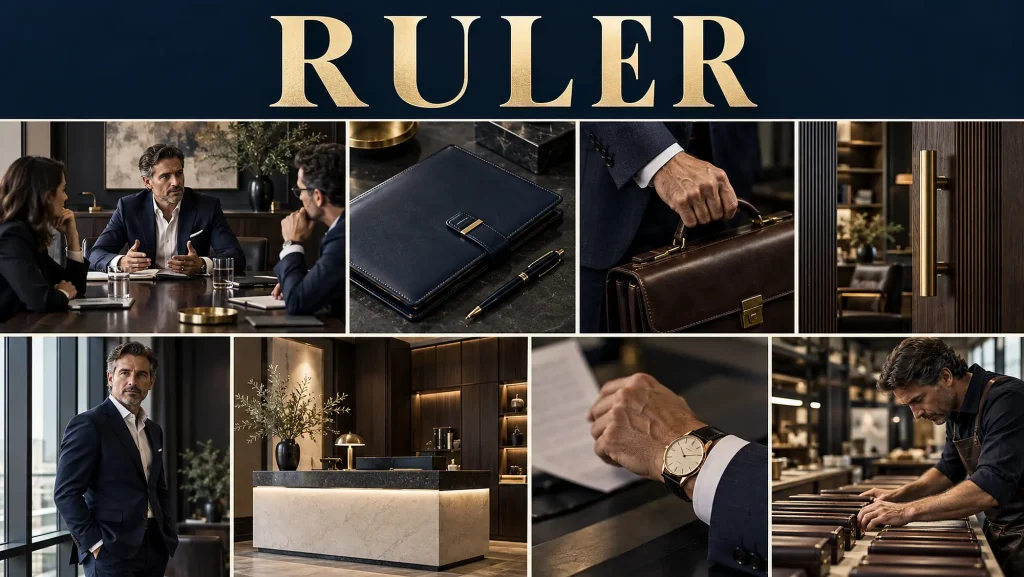

Promise: This is premium, this is controlled, this is for people who are serious.
Core desire: To build order, authority, and command of the category.
A Ruler personal brand leans into content that demonstrates mastery and position — big numbers, scaled case studies, “here’s how the top of the market actually operates” takes. The voice is assured, declarative, and often a little short. The perspective sees most of the market as underperforming and plays at a tier above. The visuals are polished and dark-leaning — navy, black, serif, premium textures.
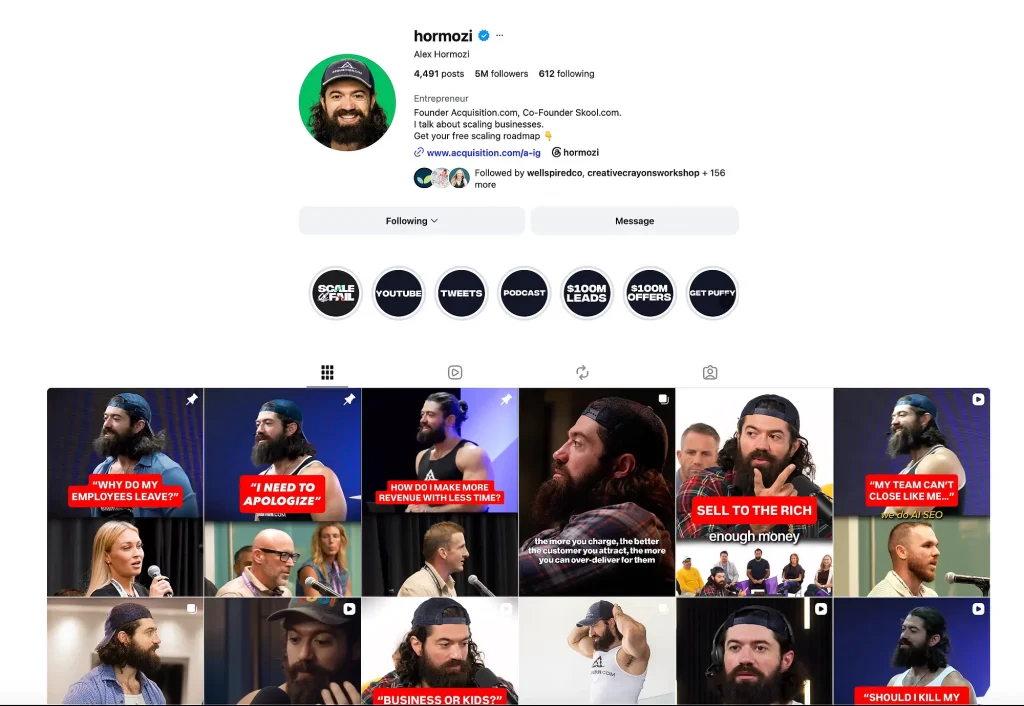
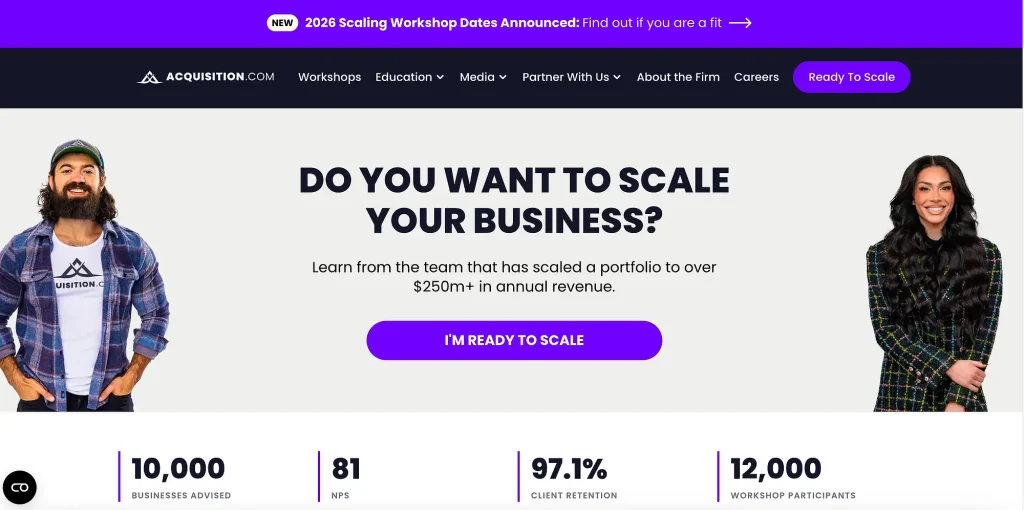
Example: Alex Hormozi · Instagram. Investor and author whose brand reads as “most people’s problems are small, mine are big” — scaled, premium, and uncompromisingly results-forward.
Secondary: Hero. The prove-it-with-metrics, do-more-be-more layer keeps the Ruler brand from reading as inherited status. The nuance is that his authority is loud-and-earned, not quiet-and-assumed, which is why he lands with ambitious self-made audiences and not legacy ones.
How to spot your own primary + secondary
This isn’t a quiz. The quizzes are fun but they catch the version of you that answers quizzes, not the version of you that shows up on your account. The faster read:
Open your three highest-engagement pieces of content from the last six months, line them up, and look at what they have in common. Not the topic — the handling. Are you teaching, confessing, reframing, challenging, celebrating, protecting, playing? That handling is your primary.
Then look at the words you keep reaching for without noticing. Pull the last fifteen captions, and circle the three or four words that keep repeating. Those words are also doing the work.
Then — and this is the part most people skip — look at the opinion you keep almost-posting and then softening. The secret opinion you suspect would get you unfollowed if you said it out loud. That opinion is your perspective, which is often where the secondary archetype lives.
Finally, use the ick test from the last post in this series. The styles of content that make you say ew, I could never are telling you which archetypes aren’t yours. The ones that make you quietly go yeah, that sounds like me are telling you which ones are.
What to do once you know it
The move isn’t to go overhaul your whole brand in a weekend. The move is to audit the four layers — content, voice, perspective, visuals — and spot the one that’s furthest out of alignment with your actual archetype combo. Fix that one first.
Most of the time it’s visuals. Most of the time somebody’s running Sage content with Creator visuals, or Caregiver content with Ruler visuals, and the brand feels off because the layers are contradicting each other. One aligned pass through a single layer tends to do more for brand clarity than six months of posting more.
And when all four layers line up, the compounding is real. You stop having to explain who you are, because strangers recognize it in six seconds. The parasocial connection fires. The right people lean in and the wrong people quietly scroll past, which is also fine — all brands and all archetypes aren’t for everyone.
So. Which combo are you?
I’m walking through each of the twelve archetypes in detail in an email series — what they sound like in the wild, the specific trap each one falls into, how to spot yours, and what it looks like when the four layers finally line up. We’re starting with the Guy/Gal Next Door (Everyman), since that’s the one everybody’s currently arguing about.
If nothing in the twelve above fully clicked for you yet, that’s also useful information — it usually means your primary + secondary are closer to each other than most people’s are, which creates a different kind of signal problem entirely. More on that later in the series.
Want to see your archetype in action?
Each archetype has a signature set of stories it tells well. The free Brand Stories Workbook walks through the five foundational stories you need in your messaging and shows how to shape them so they sound like you, not a template.
